
Mastering The Art Of Finance In Nigeria

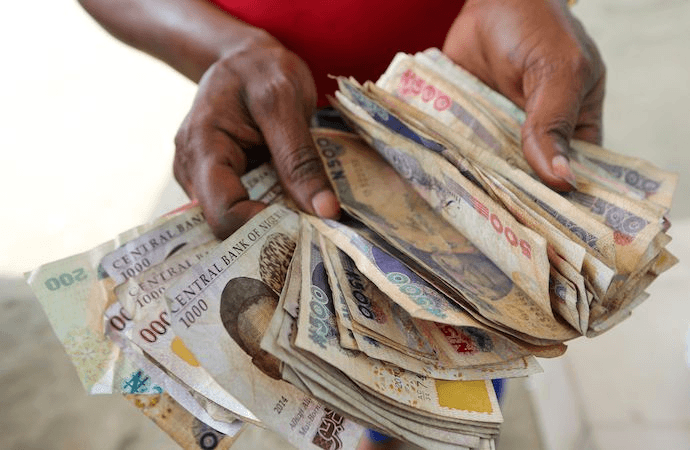
Finance in Nigeria is both an opportunity and a challenge. With a dynamic economy, a rapidly growing population, and a vibrant entrepreneurial culture, understanding how money works has become an essential life skill. Mastering finance is not just about earning money; it is about managing it wisely, protecting it, and making it grow over time.
Understanding the Nigerian Financial Landscape
Nigeria's financial environment is unique. Inflation, fluctuating exchange rates, and evolving financial technologies all shape how individuals and businesses manage money. For many Nigerians, financial literacy starts with understanding the basic systems available; banks, fintech platforms, cooperative societies, and investment opportunities.
In recent years, digital banking and fintech platforms have made financial services more accessible. Mobile banking apps, online transfers, and digital wallets have simplified how people save, spend, and send money. This accessibility has also encouraged more Nigerians to take control of their finances earlier in life.
The Importance of Financial Discipline
One of the most important steps in mastering finance is developing discipline. Earning money is only one side of the equation; how that money is used matters just as much. Creating a simple budget helps individuals understand where their money goes each month. Tracking expenses; whether through an app, spreadsheet, or notebook; can reveal spending patterns that might otherwise go unnoticed. Once these patterns are clear, it becomes easier to prioritize necessities, reduce unnecessary spending, and allocate money toward savings and investments.
Financial discipline also involves setting realistic goals. These goals might include building an emergency fund, saving for education, starting a business, or purchasing property. Clear goals provide direction and motivation for long-term financial stability.
Saving in a Changing Economy
Saving money is a critical habit, particularly in an environment where economic conditions can change quickly. An emergency fund is often considered the foundation of financial security. This fund acts as a buffer for unexpected expenses such as medical bills, job loss, or urgent family needs.
In Nigeria, savings can take many forms. Traditional bank accounts remain popular, but many people also participate in cooperative savings groups or rotating savings systems. These community-based approaches encourage accountability and help individuals stay consistent with their saving habits.
Technology has also introduced automated savings tools that allow users to set aside money regularly without manual effort. Over time, small contributions can accumulate into significant financial reserves.
Investing for Long-Term Growth
Beyond saving lies investing. Investing allows money to grow over time by putting it into assets that have the potential to increase in value. In Nigeria, common investment options include stocks, government bonds, treasury bills, mutual funds, and real estate.
Understanding risk is essential before investing. Some investments may offer higher returns but also involve greater uncertainty. Others may provide more stability but slower growth. A balanced approach often works best; spreading investments across different asset types helps reduce risk while still allowing for potential gains.
Education plays a major role in successful investing. Reading financial resources, attending seminars, and learning from experienced investors can help individuals make informed decisions rather than relying on speculation.
The Role of Entrepreneurship
Nigeria is widely recognized for its strong entrepreneurial culture. Many people create wealth by building businesses that solve everyday problems. Entrepreneurship can be a powerful financial tool, but it also requires careful planning and management.
Successful entrepreneurs often separate personal and business finances. Maintaining clear records, tracking revenue and expenses, and reinvesting profits strategically are key practices that support long-term growth. Financial knowledge enables business owners to scale sustainably rather than relying solely on intuition.
Building a Financially Secure Future
Mastering finance is not a one-time achievement; it is an ongoing process. Economic conditions change, technologies evolve, and personal goals shift over time. The ability to adapt and continue learning is what ultimately leads to financial resilience.
For Nigerians across different income levels, the journey toward financial mastery often begins with small steps. Learning how to budget, saving consistently, exploring investment opportunities, and seeking financial education can collectively create a strong foundation.
When individuals develop these habits, they do more than improve their own lives; they contribute to stronger families, more stable businesses, and a more resilient economy.
In the end, mastering the art of finance in Nigeria is about empowerment. It is about gaining the knowledge and discipline needed to make thoughtful decisions with money; decisions that build security today and opportunity for the future.
About The Author

The author is a finance enthusiast and researcher with a strong interest in personal finance, financial literacy, and economic development in emerging markets. With a focus on practical money management strategies, their work explores how individuals and businesses can navigate complex financial environments and build sustainable wealth.